Alzheimer's Care

Patient, informed help for people with Alzheimer's disease, adapted to each stage.

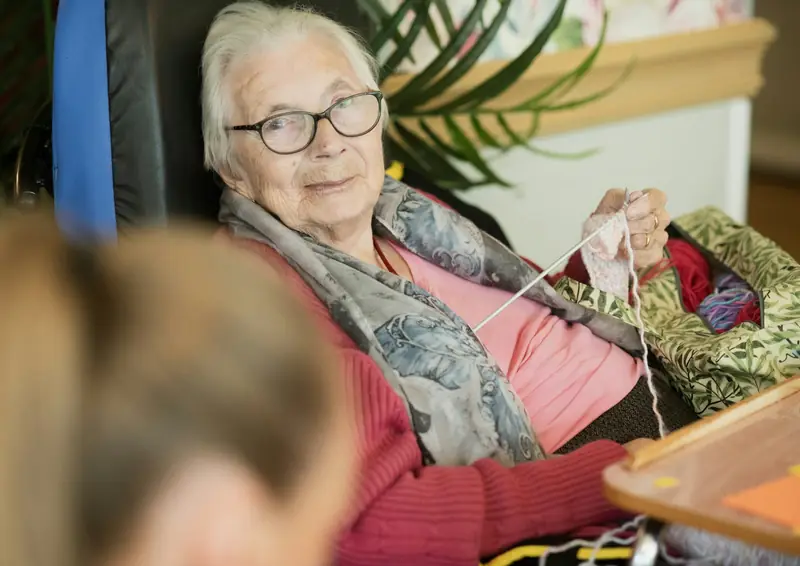
An older woman knitting and smiling at home
Who it helps
People with Alzheimer's disease at any stage, and their families.
Type of care
Non-medical, in your home, by the hour, overnight or live-in
Often combined with
Dementia Care, Personal Care, Respite Care

What alzheimer's care includes

Every caregiver sets out exactly which tasks they offer on their profile. These are the most common ones; agree on the details in your care request.

  • Stage-aware routines

    Support that adapts as needs change over time.

  • Supervision

    Keeping your loved one safe at home and on outings.

  • Life-story activities

    Music, photos and places that mean something to them.

  • Personal care

    Patient, step-by-step help with daily routines.

  • Meals

    Familiar food, finger foods and gentle encouragement.

  • Sundowning support

    Calm, light and quiet routines in the evening.

  • Family partnership

    Working with your notes on what calms and what upsets.

  • Comfort in late stages

    Gentle touch, familiar voices and comfort care.

Is alzheimer's care right for your family?

Non-medical help covers daily life at home. Some needs call for a licensed professional instead, and many families use both.

A good fit when

  • A diagnosis has changed what daily life needs
  • Your loved one is safer with someone present
  • You want help that adapts to each stage
  • You are combining home care with hospice or home health

Ask a licensed professional for

  • Medical management of the disease
  • Changing medications or doses
  • Clinical assessments

Your loved one's doctor can refer you to a licensed home health agency. Many families combine both kinds of help.

Example schedules

Most families start with a few hours and adjust. Enter an hourly rate to estimate a monthly budget; real rates are set by each caregiver on their profile.

Example rate. Change it to see your estimate.

Early stage

10 hours / week

Help with planning, reminders and staying active.

About $1,299 per month

Middle stage

40 hours / week

Daily supervision and step-by-step personal care.

About $5,196 per month

Late stage

84 hours / week

Day and night comfort care, often with hospice.

About $10,912 per month

Estimate = hourly rate × hours per week × 4.33 weeks. It excludes any payment processing fee, mileage or overtime. See our guide to care costs.

A closer look at alzheimer's care

Care that changes with each stage

Alzheimer's disease is the most common cause of dementia. Needs usually change over time, and so does the kind of help that works best.

Early stage

Many people still live independently. A caregiver may help with planning, reminders, transportation and staying socially active, while respecting the person's wish to do things themselves.

Middle stage

This is often the longest stage. Supervision becomes more important, along with step-by-step help with personal care, a steady routine and patience with mood changes, sundowning or sleep problems.

Late stage

People need help with most daily activities, including eating and moving. Comfort, gentle touch, music and familiar voices matter a great deal. Families often combine a caregiver with hospice or home health services at this stage.

Tips for families working with a caregiver

  • Share your loved one's life story: work, family, places, music they love.
  • Explain what calms them and what tends to upset them.
  • Keep a simple daily log so everyone sees changes early.
  • Agree on what to do if your loved one tries to leave the house.

Support for you

The Alzheimer's Association Helpline (1-800-272-3900) offers free advice day and night, including for caregivers who are struggling. Respite care can also help you keep going; see our respite care page.

Questions about alzheimer's care

Short answers to what families ask most. More in our FAQ.

How does care change as Alzheimer's progresses?

Early on, help focuses on planning and independence. In the middle stage supervision and personal care grow. Later, comfort and gentle care matter most.

What should we share with the caregiver?

Your loved one's life story, routines, what calms them, what upsets them, and what to do if they try to leave the house.

Can home care work alongside hospice?

Yes. Hospice teams provide medical and emotional support; a caregiver can cover the many hours of daily care in between.

Find alzheimer's care near you

Compare reviewed caregivers, see their rates and availability, and send a free care request. No obligation.

Caregivers on CaregiverCrew provide non-medical support only. They do not diagnose, treat, administer injections or perform skilled nursing tasks. Rules about what non-licensed caregivers may do differ by state; when in doubt, ask your loved one's doctor.