A closer look at companion care
Why companionship matters
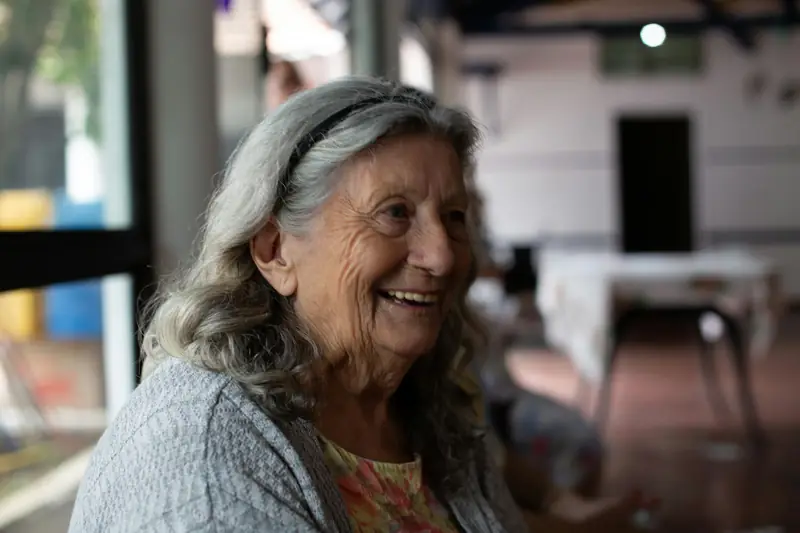
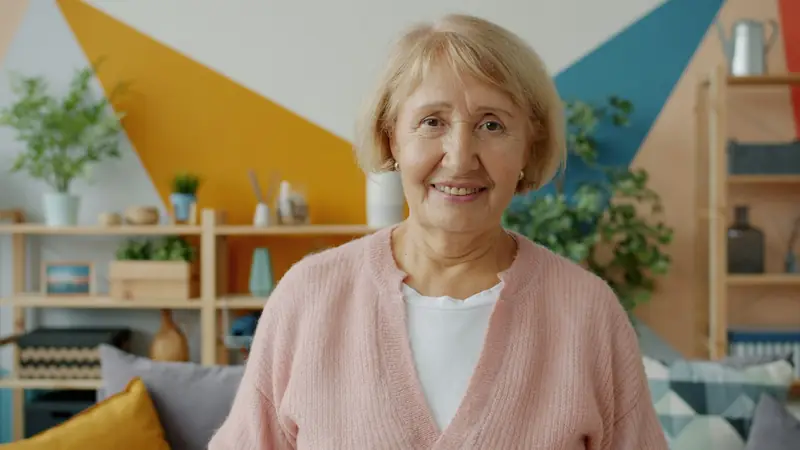
Loneliness is more than a feeling. Research summarized by the U.S. Surgeon General in 2023 links social isolation with higher risks of heart disease, stroke and dementia in older adults. A regular visitor who knows your loved one's stories, jokes and routines can make a real difference to how the week feels.
What companion care can look like
- Conversation, reading aloud, looking through photo albums
- Board games, cards, puzzles, gardening or baking together
- Walks, trips to the library, a café, church or a senior center
- Help with video calls to grandchildren and friends
- Light tidying, preparing a snack, watering plants
- A second pair of eyes: noticing changes and letting the family know
Finding the right match
Shared interests and a shared language often matter more than a long résumé. On CaregiverCrew you can filter caregivers by language and read how each one describes themselves. In your care request, mention your loved one's hobbies, favorite topics and anything they dislike.
Companion care vs. personal care
Companion care is about company and light help. If your loved one also needs help with bathing, dressing or the toilet, look for a caregiver who lists personal care too, so you do not need two people.