
Senior Care

Everyday, non-medical help that lets older adults keep living safely and comfortably in their own home.

A caregiver and an older woman laughing together in a sunlit room
Who it helps
Older adults who want to keep living at home with a little, or a lot, of everyday help.
Type of care
Non-medical, in your home, by the hour, overnight or live-in
Often combined with
Companion Care, Meal Preparation, Personal Care

What senior care includes

Every caregiver sets out exactly which tasks they offer on their profile. These are the most common ones; agree on the details in your care request.

  • Company and conversation

    A familiar face to talk with, share a meal and enjoy the day.

  • Washing and dressing

    Unhurried help with bathing, grooming and getting ready.

  • Meals and fluids

    Planning, cooking and gentle encouragement to eat and drink.

  • Tidy, safe home

    Laundry, dishes, linens and clutter-free walkways.

  • Errands and outings

    Groceries, pharmacy runs and rides to appointments.

  • Medication reminders

    Timely prompts that follow the routine the doctor set up.

  • Family updates

    A short note after each visit so everyone stays informed.

  • An eye on safety

    Noticing fall risks and small changes before they grow.

Is senior care right for your family?

Non-medical help covers daily life at home. Some needs call for a licensed professional instead, and many families use both.

A good fit when

  • Daily tasks are getting tiring or unsafe
  • Your parent lives alone and is often isolated
  • Family members need regular cover while they work
  • Recovery from an illness is taking longer than expected

Ask a licensed professional for

  • Injections, wound care or IV lines
  • Changing medication doses
  • Physical or occupational therapy

Your loved one's doctor can refer you to a licensed home health agency. Many families combine both kinds of help.

Example schedules

Most families start with a few hours and adjust. Enter an hourly rate to estimate a monthly budget; real rates are set by each caregiver on their profile.

Example rate. Change it to see your estimate.

Light support

8 hours / week

Two 4-hour visits a week for errands, meals and company.

About $1,039 per month

Weekday mornings

20 hours / week

Four hours every weekday to start the day well.

About $2,598 per month

Full weekdays

40 hours / week

Eight hours a day while family members are at work.

About $5,196 per month

Estimate = hourly rate × hours per week × 4.33 weeks. It excludes any payment processing fee, mileage or overtime. See our guide to care costs.

A closer look at senior care

What in-home senior care includes

Senior care is a broad term for the practical, everyday support that helps an older adult stay at home rather than move to assisted living. It is non-medical: the focus is on routines, safety and company, not treatment. A typical visit might combine several of these tasks:

  • Companionship, conversation and shared activities
  • Help getting up, washing, dressing and grooming
  • Planning and cooking meals, and encouraging fluids
  • Light housekeeping, laundry and changing bed linens
  • Errands, grocery shopping and rides to appointments
  • Reminders to take medication at the right time
  • Walking together and keeping an eye on fall risks

Signs it may be time for help

Families often notice small changes first: unopened mail, an emptier fridge, missed appointments, a new bruise, or a parent who sounds lonelier on the phone. None of these mean independence is over. A few hours of help each week can take pressure off and keep small problems from becoming emergencies.

How to choose a senior caregiver

Start with what matters most to your loved one, not just the task list. Someone who loves to talk may value a chatty companion; someone private may prefer a calm, efficient helper. On CaregiverCrew you can filter by language, experience and availability, then send a care request to ask about routines, past roles and how the caregiver handles difficult days.

Meet before you book, ideally with your loved one present, and call references. Our safety guide includes a short checklist.

How many hours do you need?

Many families start with two or three visits a week of three to four hours each, then adjust. Others need daily morning help, overnight supervision or a live-in arrangement. Write down a typical day and mark the moments where help would make the biggest difference; that becomes your schedule.

What senior caregivers on CaregiverCrew do not do

Caregivers on CaregiverCrew do not provide skilled nursing, such as injections, wound care or managing IV lines, and they do not decide medication doses. If your loved one needs those services, ask their doctor about a licensed home health agency. Many families combine both: a home health nurse for medical visits and a caregiver for daily life.

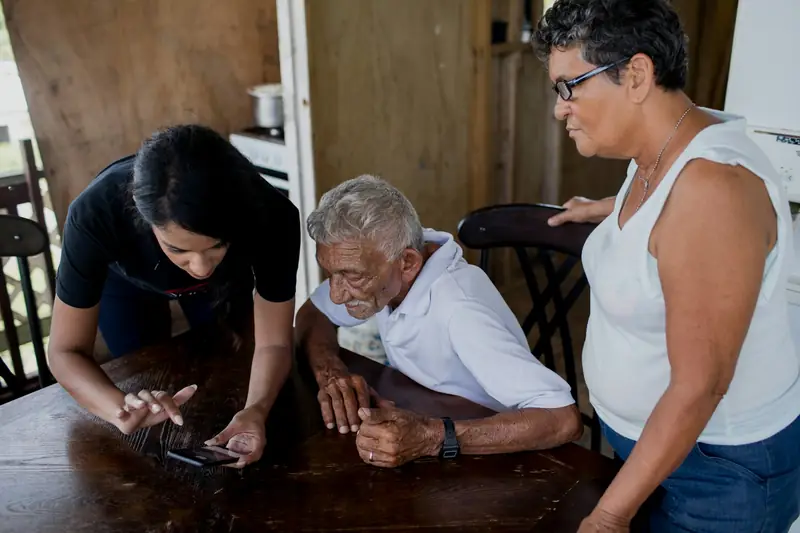
Questions about senior care

Short answers to what families ask most. More in our FAQ.

How quickly can senior care start?

It depends on the caregiver's availability. Many families send a few care requests, talk with caregivers that week and book a first visit soon after. Plan a little earlier if you need weekends or nights.

Can the same caregiver come every time?

Yes. You book the caregiver you chose directly, so you can keep the same person week after week, which most older adults prefer.

What if my parent does not want help?

Start small, frame it around what they want to keep doing, and involve them in choosing. Many people accept "a hand with shopping and lunch" more easily than "a caregiver".

Find senior care near you

Compare reviewed caregivers, see their rates and availability, and send a free care request. No obligation.

Caregivers on CaregiverCrew provide non-medical support only. They do not diagnose, treat, administer injections or perform skilled nursing tasks. Rules about what non-licensed caregivers may do differ by state; when in doubt, ask your loved one's doctor.